Mesh Screen Products
Precision filtration with uniform airflow—high-accuracy die-cutting experts.
Accurate filtration + protective shielding + clean-room production, tailored for high-end scenarios.
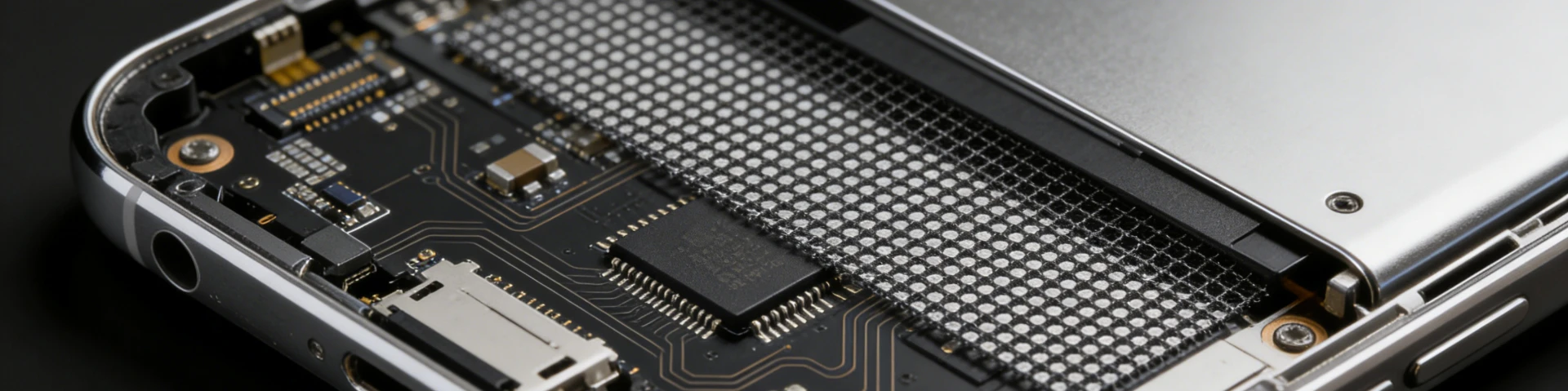
12+ Years in Micro-Aperture & Thin-Profile Parts. A benchmark provider of precision mesh solutions
Minimum diameter: 0.5 mm, adjustable filtration accuracy for diverse protection needs.



Mesh Die-Cut Components
Covering the core needs of filtration, protection, and shielding—adaptable to all scenarios.
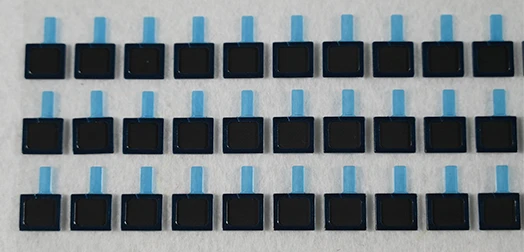
Mesh Series
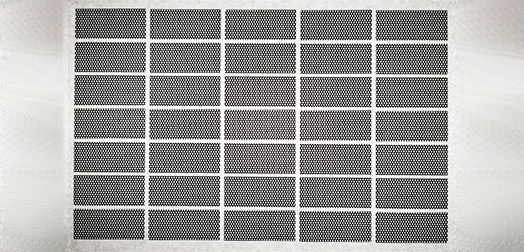
Mesh Series
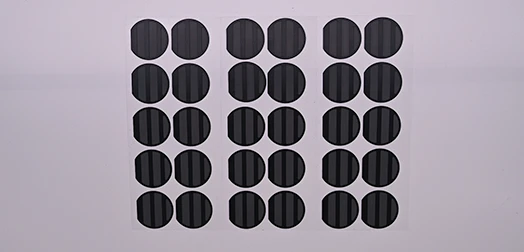
Speaker Dust Mesh
Where Our Products Are Mainly Used
Built for multi-industry filtration and protection; trusted by leading brands in consumer electronics and medical.
 Consumer Electronics
 Drones
 Robotics
 Medical Devices
 New Energy Vehicles
 Industrial Control
 Telecom Equipment
 Optics
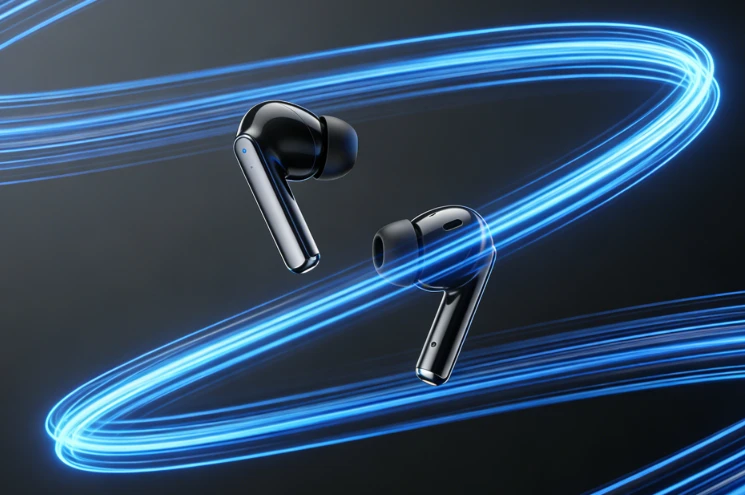
Consumer Electronics
Component bonding, wire-harness fixing, enclosure sealing
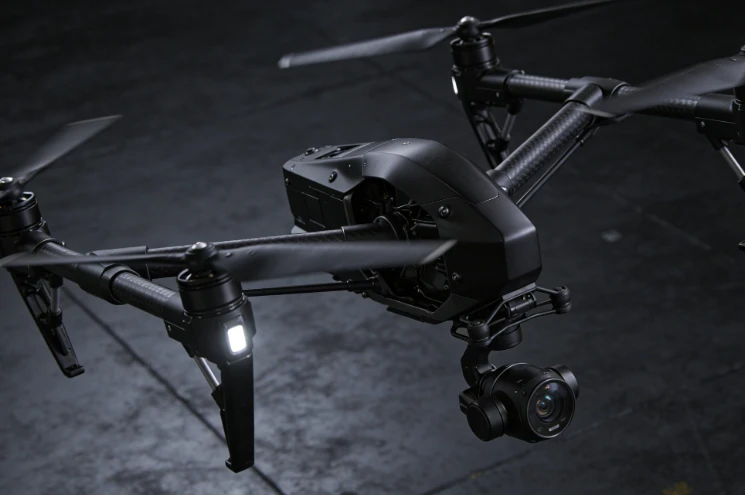
Drones
Parts bonding, fuselage sealing
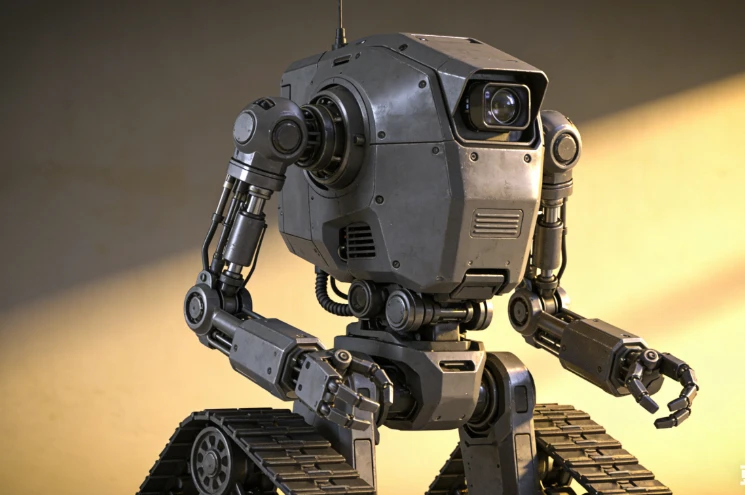
Robotics
Component fixing, cable management
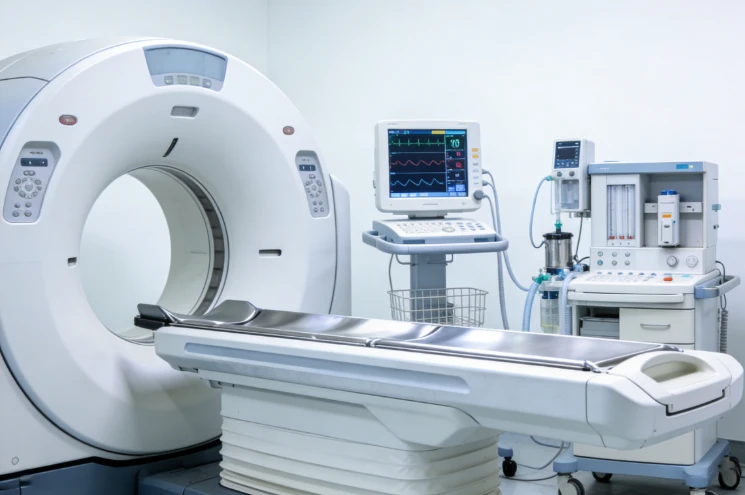
Medical Devices
Equipment sealing & bonding

New Energy Vehicles
In-vehicle parts bonding, wire-harness fixing
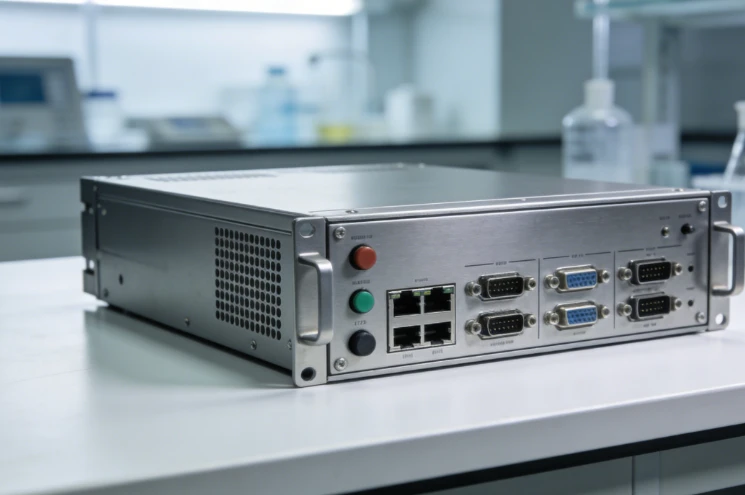
Industrial Control
Component fastening, outdoor sealing
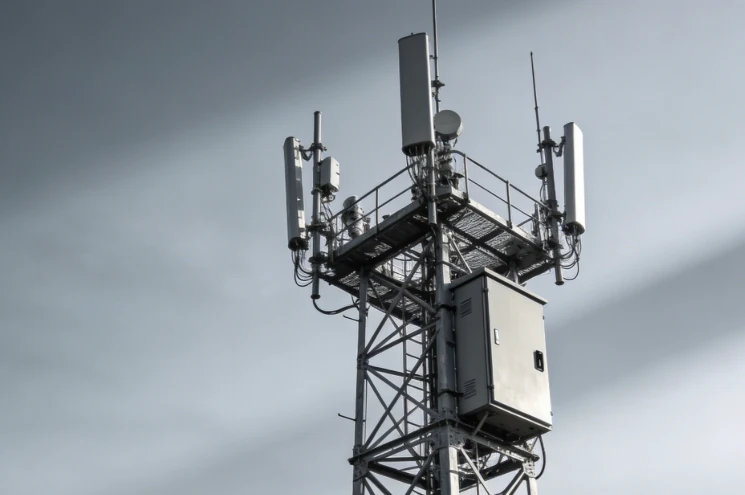
Telecom Equipment
Module bonding, base-station sealing
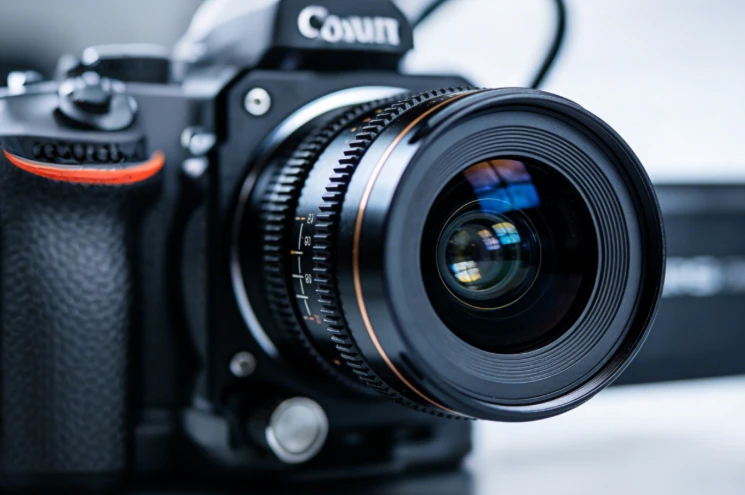
Optics
Lens protection meshes
FAQ — Mesh Screen Products


What aperture range can be customized? How about filtration accuracy?

0.05–1.0 mm apertures with ≥95% filtration efficiency. Filtration-efficiency test reports are available; third-party re-testing supported.
Do you support EMI-shielding mesh? What’s the shielding effectiveness?
Yes. Metal conductive meshes can reach shielding effectiveness ≥80 dB, suitable for telecom and industrial-control protection, compliant with EN 55032.
Are these meshes suitable for medical devices?
Yes—produced under ISO 13485; deployed in Weitai Medical filtration modules; ISO 10993 biocompatibility compliant.
What is the service life of the mesh?
High-toughness materials with tear resistance and aging resistance; ≥3 years under normal conditions. Weathering test data can be provided.
What are the sampling and mass-production cycles? Any MOQ?
Sampling: 1–3 days; Mass production: 7–20 days. No mandatory MOQ—flatbed lines handle small pilots; rotary lines support high volumes.


